Overview
Before 1.16, the Nether Update, the Nether was a place you sprinted through with your hand on the portal block. After it, people built bases there. That change came from turning one red wasteland into five distinct biomes with their own terrain, mobs, hazards and colour: crimson and warped forests with their fungal trees and their own wood sets, soul sand valleys that slow you while ghasts shoot, and basalt deltas that are simply unpleasant to cross. Netherite gave diamond gear an upgrade path that survives a lava swim and does not burn when dropped, which changed what players were willing to risk carrying. Piglins introduced something closer to diplomacy than combat — wear gold and they tolerate you, drop gold ingots and they barter items back — and striders made the lava sea crossable for the first time. Respawn anchors let you set a spawn point in a dimension where beds explode, and lodestones made compasses work there at all. Ruined portals scattered obsidian and flint and steel across both dimensions, which pulled the whole Nether chapter of the game much earlier in progression than it had ever been.
It turned the Nether into a place worth living in: four new biomes, netherite gear that survives lava, gold-based piglin diplomacy and bartering, striders for lava travel, respawn anchors, lodestones, and ruined portals that make a first trip possible on day two.
The Nether Update turned a single red wasteland into five distinct biomes with their own mobs, wood types and hazards, and made the dimension somewhere you live rather than somewhere you sprint through. Netherite gave diamond gear an upgrade path that survives lava. Piglin bartering and gold armour introduced a diplomacy mechanic, and striders made the vast lava seas crossable for the first time.
How to get it
Java Edition 1.16 was released on 23 June 2020. If you are picking a version from this branch choose 1.16.5, the final and most stable build, rather than 1.16 itself — all 5 point releases share the same Nether content.
Tips
- Netherite requires a diamond item plus 1 netherite ingot at a smithing table — you cannot craft netherite tools from scratch.
- Wear at least 1 piece of gold armour in any piglin biome; without it every piglin in sight attacks immediately.
- Respawn anchors are charged with glowstone and explode if used in the Overworld, so treat them as Nether-only.
- Read nether travel and survival before building a highway; the 1 to 8 coordinate ratio is the whole trick.
Version notes
Released 23 June 2020. Added four Nether biomes, netherite and ancient debris, bastion remnants, piglins, hoglins, zoglins, striders, bartering, respawn anchors, lodestones, ruined portals, blackstone, basalt and Soul Speed.
What it added
- Four new Nether biomes: crimson forest, warped forest, soul sand valley and basalt deltas
- Netherite, ancient debris and the smithing table upgrade path
- Bastion remnants with four distinct layouts
- Piglins, hoglins, zoglins and striders
- Bartering with piglins using gold ingots
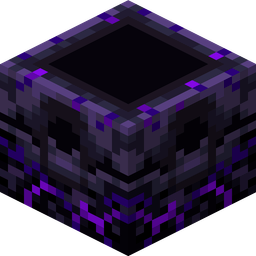
- Respawn anchors, lodestones and target blocks
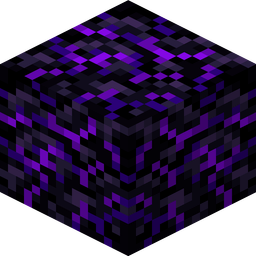
- Ruined portals, crying obsidian, blackstone and basalt
- Soul soil, soul fire, soul torches and the Soul Speed enchantment
Properties
Minecraft 1.16 was released on June 23, 2020 as a major release. It added 5 mobs, 14 blocks and items the site documents, and 4 generated structures.
- New blocks and items
- 14
- New structures
- 4
New mobs
Piglin, Piglin Brute, Hoglin, Zoglin, and Strider arrived in this release.




New blocks and items
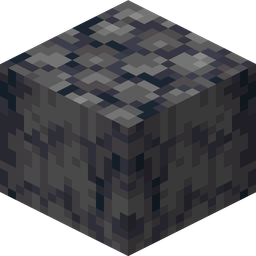
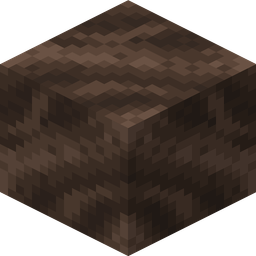
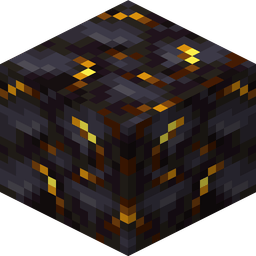
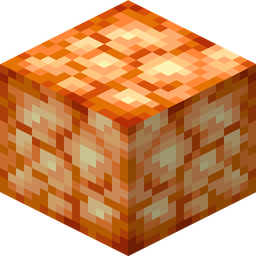
Ancient Debris, Block of Netherite, Crimson Stem, Warped Stem, Blackstone, Basalt and 8 more were added, and each has its own page with the recipe, the drops and the break times.




New structures
Ruined Portal (Overworld), Ruined Portal (Nether), Bastion Remnant, and Nether Fossil first generated in 1.16.
- Ruined Portal (Overworld) — A broken nether portal frame of crumbling obsidian and blackstone, with lava, netherrack and gold blocks scattered around it, plus a chest.
- Ruined Portal (Nether) — The Nether-side counterpart, generating on cliff faces, floors and ceilings throughout every Nether biome with the same crumbling obsidian frame and loot chest.
- Bastion Remnant — A ruined blackstone fortress in one of four layouts — bridge, hoglin stable, housing units and treasure room — each packed with piglins and, in the treasure variant, piglin brutes that ignore gold armour entirely.
- Nether Fossil — A large bone block skeleton protruding from the soul sand of a soul sand valley, resembling a fossilised ribcage or spine.
Where it sits in the release line
1.16 sits 12 of 28 in the release list this site covers, with 1.16.2 after it and 1.15 before.
Worlds always upgrade forwards and never downgrade: a world opened in a newer version cannot be opened in an older one again, so back it up before the first launch on a new release.
| Version | Name | Released | Type | |
|---|---|---|---|---|
 | Minecraft 1.16.2 | Nether Update point release | August 11, 2020 | Point release |
 | Minecraft 1.16 ← | Nether Update | June 23, 2020 | Major release |
 | Minecraft 1.15 | Buzzy Bees | December 10, 2019 | Major release |
Guides and tools that cover this
Frequently asked questions
How do you make netherite gear?
Smelt ancient debris into netherite scrap, combine four scrap with four gold ingots for an ingot, then upgrade a diamond item with it at a smithing table.
How does bartering with piglins work?
Drop or give a gold ingot to an adult piglin and it examines it, then throws back a random item — ender pearls, obsidian, fire charges, Soul Speed books and more.
Can you sleep in the Nether after 1.16?
No, beds still explode. The respawn anchor added in this update is the replacement: charge it with glowstone and it sets your spawn point safely.
What did Minecraft 1.16 add?
Four new Nether biomes: crimson forest, warped forest, soul sand valley and basalt deltas Netherite, ancient debris and the smithing table upgrade path Bastion remnants with four distinct layouts
When was Minecraft 1.16 released?
Java Edition 1.16 was released on June 23, 2020. Bedrock dates for the same content often differ by days or weeks.